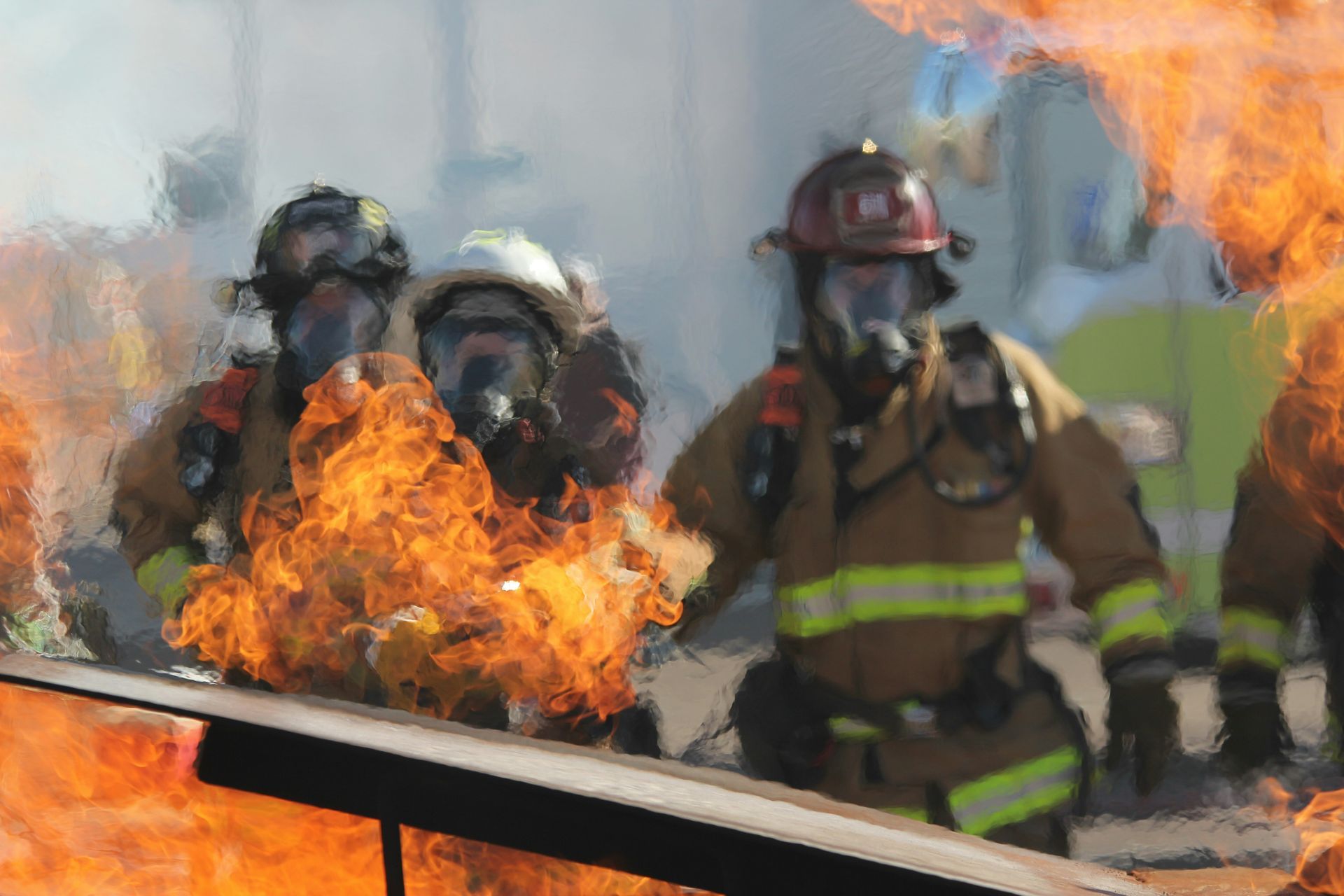
Start the year prepared, confident, and ready to respond when it matters most.

The start of a new year brings fresh goals, renewed focus, and a chance to reset priorities. For organizations responsible for hazardous materials response, January isn’t just about planning — it’s about preparation.
Hazards don’t wait for spring. Incidents don’t pause for schedules. And when emergencies happen, the difference between a controlled response and a costly disaster often comes down to training that’s current, practiced, and ingrained.
That’s why January is the most critical month of the year for HazMat and HazWOPER training.
Why January Sets the Tone for Safety All Year Long
The decisions made in the first quarter often shape the entire year. Scheduling training early ensures teams aren’t scrambling mid-year when workloads increase or when an incident forces a reactive response.
January offers a rare window to:
- Review incident reports from the previous year
- Identify gaps in response readiness
- Schedule refresher training before busy seasons begin
- Ensure new hires are properly prepared
Proactive training now prevents rushed decisions later.
From Compliance to Confidence
Many organizations approach safety training as a compliance requirement — something that needs to be completed to satisfy OSHA standards. While compliance is essential, it’s only the baseline.
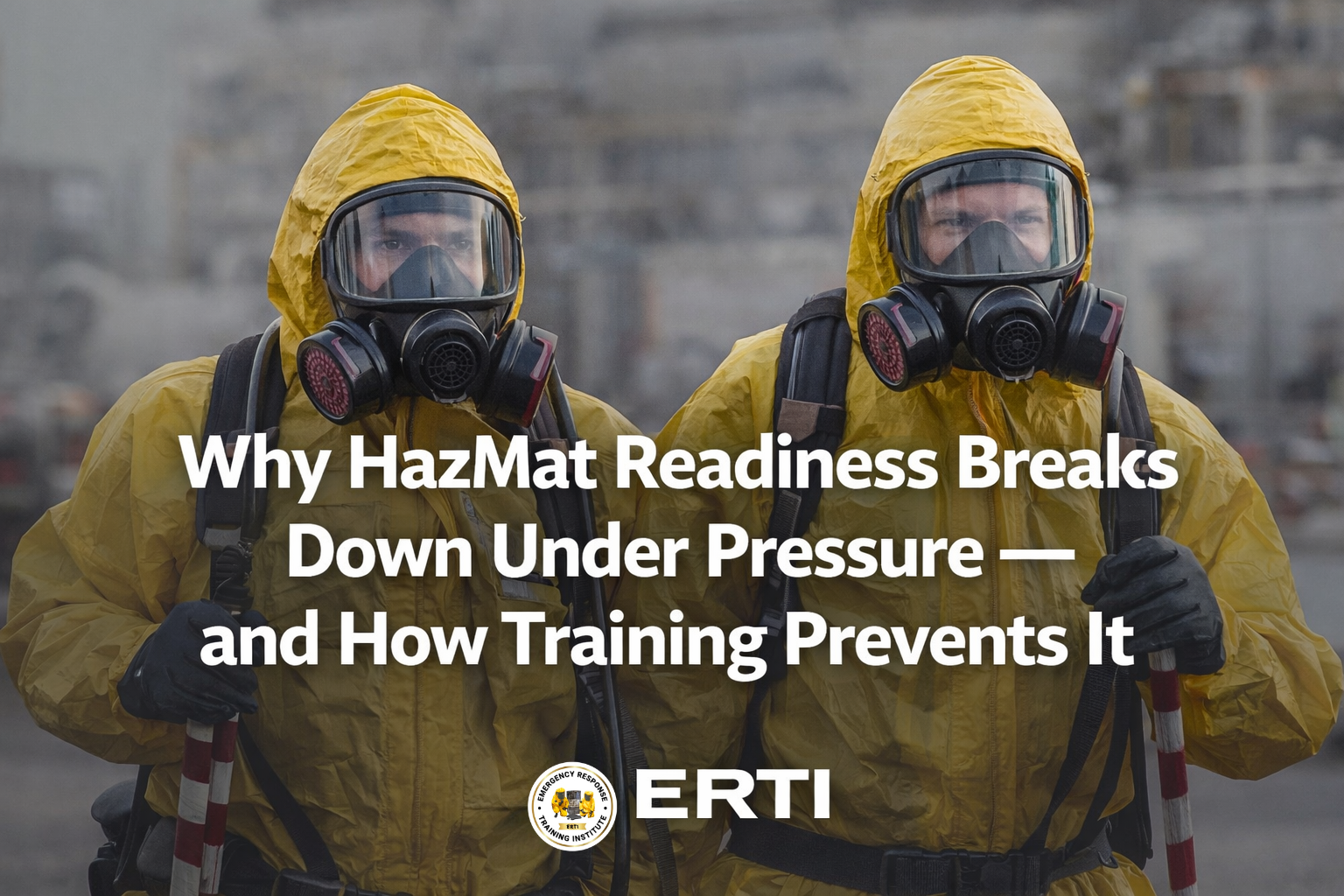
Effective HazMat training builds confidence under pressure. It prepares responders to:
- Recognize hazards quickly
- Communicate clearly during high-stress incidents
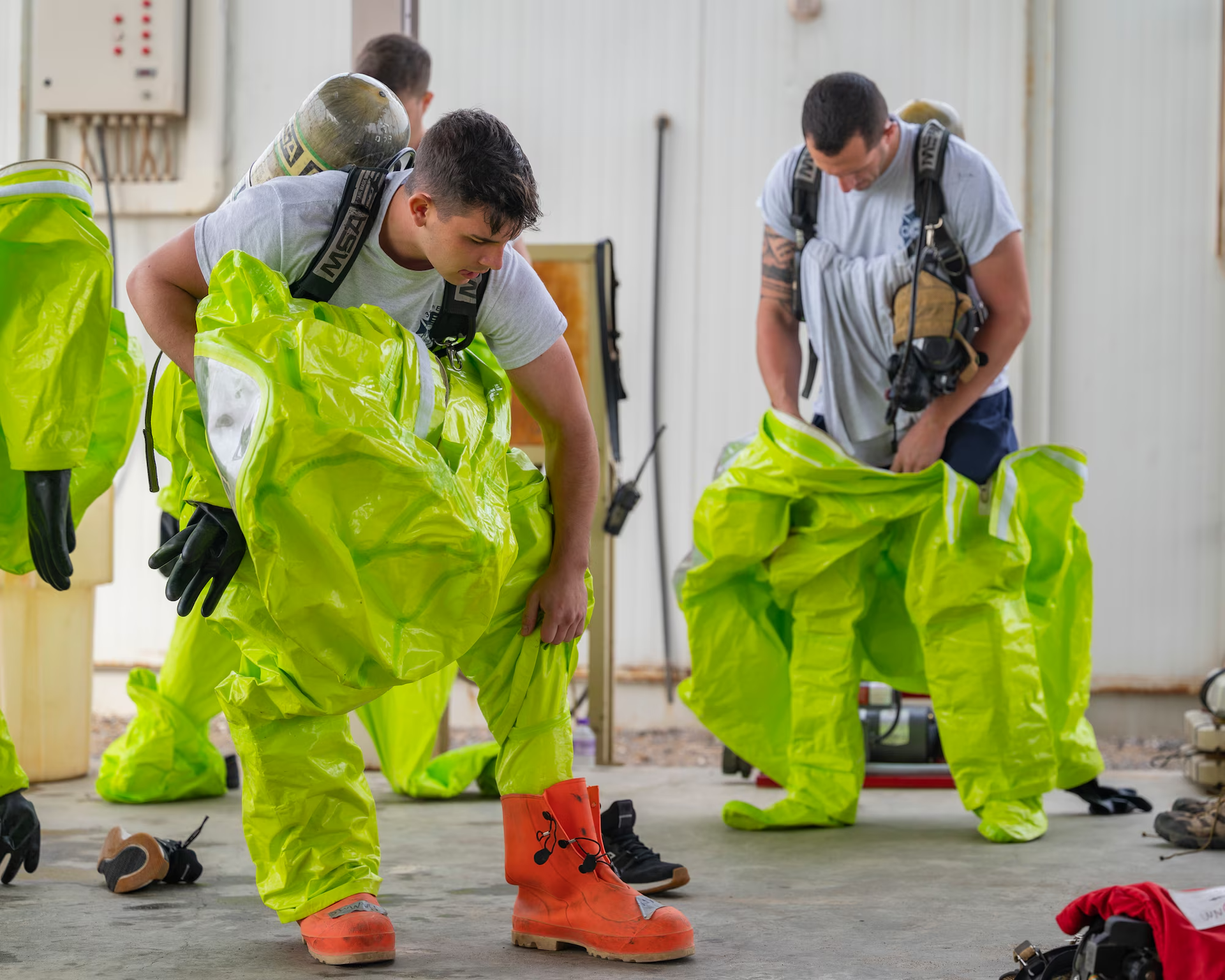
- Select and use PPE correctly
- Make fast, informed decisions when seconds matter
Confidence isn’t built overnight — it’s built through repetition, refresher training, and real-world scenarios.
Winter Conditions Add Real Risk
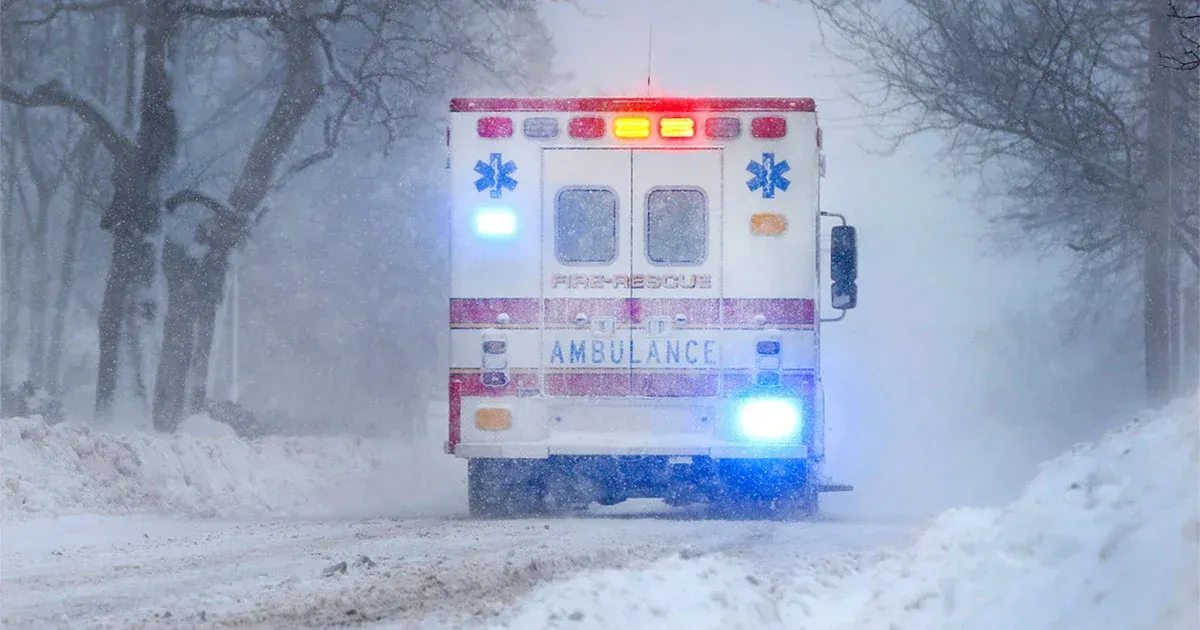
January also brings environmental challenges that can complicate hazardous materials response. Cold temperatures can affect chemical behavior, reduce dexterity, and create equipment issues. Snow, ice, and reduced visibility increase the likelihood of accidents and slow response times.
Training during the winter months helps teams adapt procedures to seasonal conditions — a critical component of preparedness that’s often overlooked.
Why Refresher Training Matters More Than Ever
Skills fade when they’re not used. Even experienced responders benefit from revisiting protocols, reviewing past incidents, and learning from others in the field.
ERTI’s refresher courses emphasize:
- Real incident case studies
- Hands-on and scenario-based learning
- Instructor-led discussions rooted in field experience
These moments — the stories, the lessons learned, the “what went wrong” discussions — are often what responders remember most when faced with real emergencies.
Start the Year Ready
A new year is a chance to reset expectations and raise standards. Instead of reacting to incidents as they happen, organizations that invest in early training create safer worksites, more confident teams, and stronger response outcomes.
January is more than a fresh start — it’s an opportunity to commit to preparedness.
Train with Experience. Train with ERTI.
Whether you’re scheduling initial HazWOPER training, refresher courses, or specialized HazMat instruction, ERTI helps teams go beyond the checklist and prepare for real-world response.
Start the year ready.