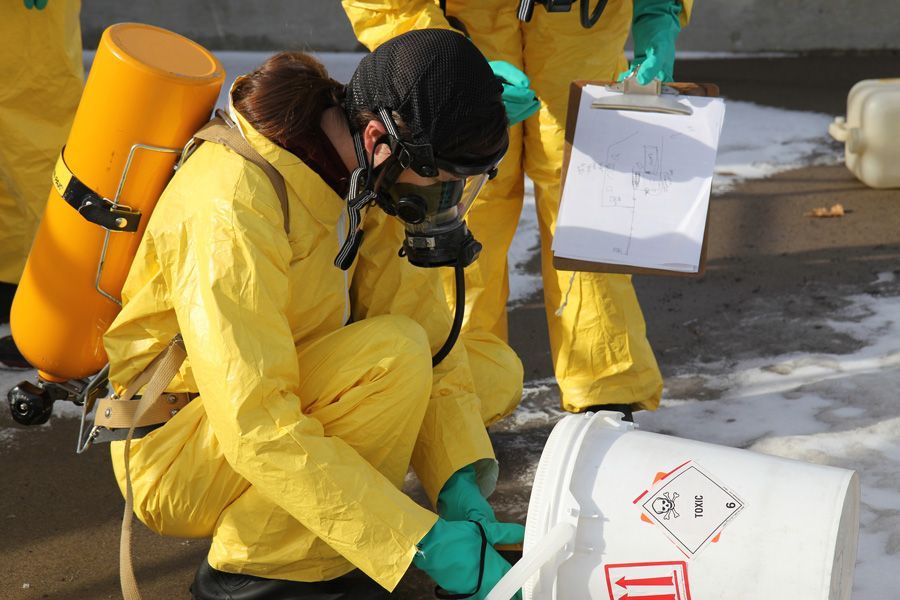
Realistic HazMat training prepares teams to respond confidently when conditions are far from ideal.

When hazardous materials incidents occur, they rarely happen under ideal conditions.
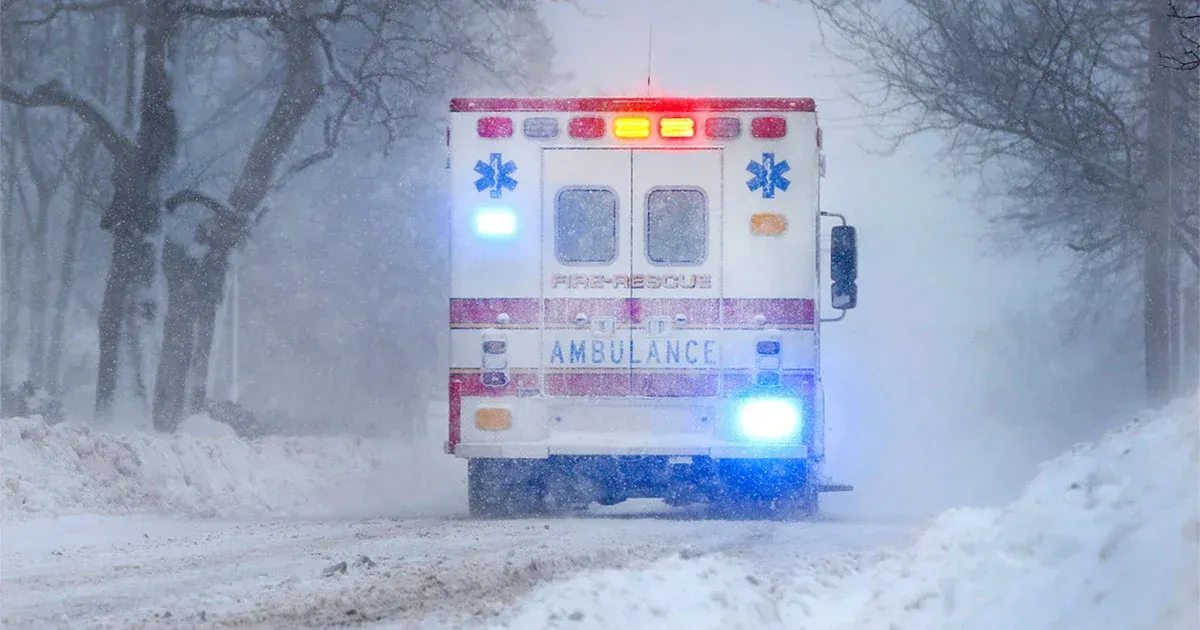
They happen during bad weather.
They happen during staffing shortages.
They happen when people are tired, rushed, or juggling competing priorities.
And that’s exactly when HazMat readiness is most likely to break down.
At the Emergency Response Training Institute (ERTI), we’ve seen firsthand that the biggest risks during HazMat incidents aren’t always the materials themselves — they’re the human and operational gaps that appear under pressure.
The Reality of HazMat Response Under Stress
In controlled training environments, teams often perform well. PPE is available. Procedures are clear. Communication flows.
But real incidents introduce pressure that exposes weaknesses, including:
- Delayed PPE decisions
- Uncertainty around roles and responsibilities
- Communication breakdowns between teams
- Hesitation or overconfidence during critical moments
These breakdowns don’t happen because responders don’t care. They happen because stress changes how people think, communicate, and act.
Why Knowledge Alone Isn’t Enough
Many organizations rely on training that focuses heavily on compliance and information retention. While regulatory knowledge is essential, it doesn’t always translate into confident decision-making during emergencies.
Under pressure, responders don’t rely on manuals. They rely on instinct and experience.
That’s why training must go beyond lectures and checklists.
How Effective HazMat Training Builds Pressure-Ready Teams
The most effective HazMat training prepares teams for the realities of response, not just the requirements. At ERTI, training is designed to help responders:
- Recognize hazards quickly and accurately
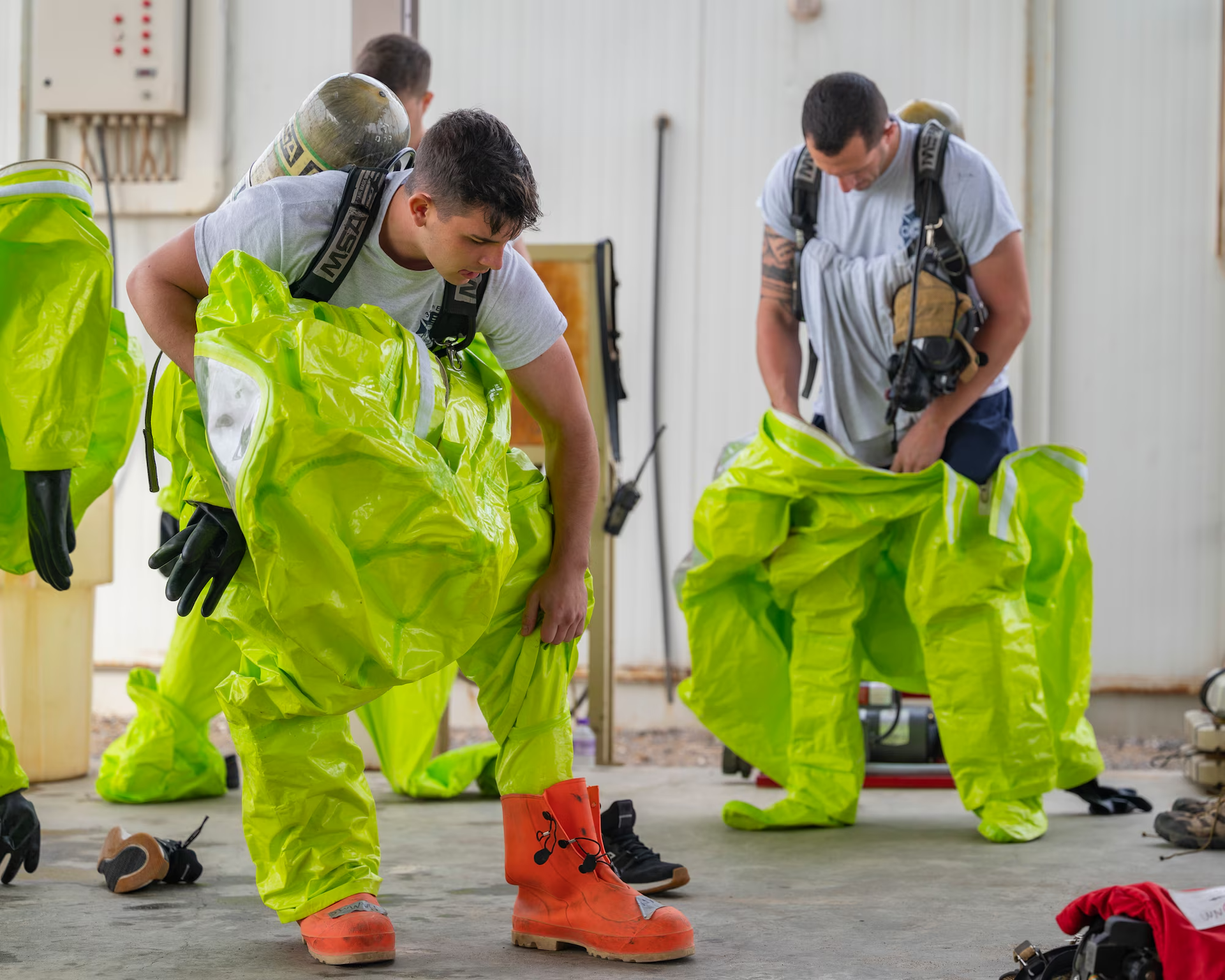
- Select and use PPE with confidence
- Communicate clearly during high-stress situations
- Understand how individual actions affect team safety
- Respond decisively without cutting corners
By incorporating real-world scenarios, instructor experience, and interactive learning, training helps teams practice decision-making before lives depend on it.
The Cost of Readiness Gaps
When HazMat readiness breaks down, the consequences can be severe:
- Increased risk of injury or exposure
- Longer incident response times
- Greater environmental impact
- Higher cleanup and liability costs
- Loss of public trust
Proactive training helps reduce these risks by reinforcing habits that hold up under pressure.
Training That Sticks When It Matters Most
What responders remember most often isn’t a slide deck — it’s the stories, scenarios, and lessons learned from real incidents.
That’s why instructor-led training grounded in field experience is so powerful. It builds confidence, reinforces accountability, and ensures teams don’t freeze or second-guess themselves when every second counts.
Prepared for Pressure, Not Just Compliance
HazMat readiness isn’t about being perfect. It’s about being prepared — even when conditions are far from ideal.
Organizations that invest in realistic, scenario-based training aren’t just meeting requirements. They’re building teams that can think clearly, communicate effectively, and protect lives under pressure.
If your team were facing a HazMat incident today, would their training hold up when it matters most?
That’s the question every organization should be asking — before the next emergency happens.