Understanding Thermal Runaway, Toxic Gas Exposure, and Re-Ignition Risks
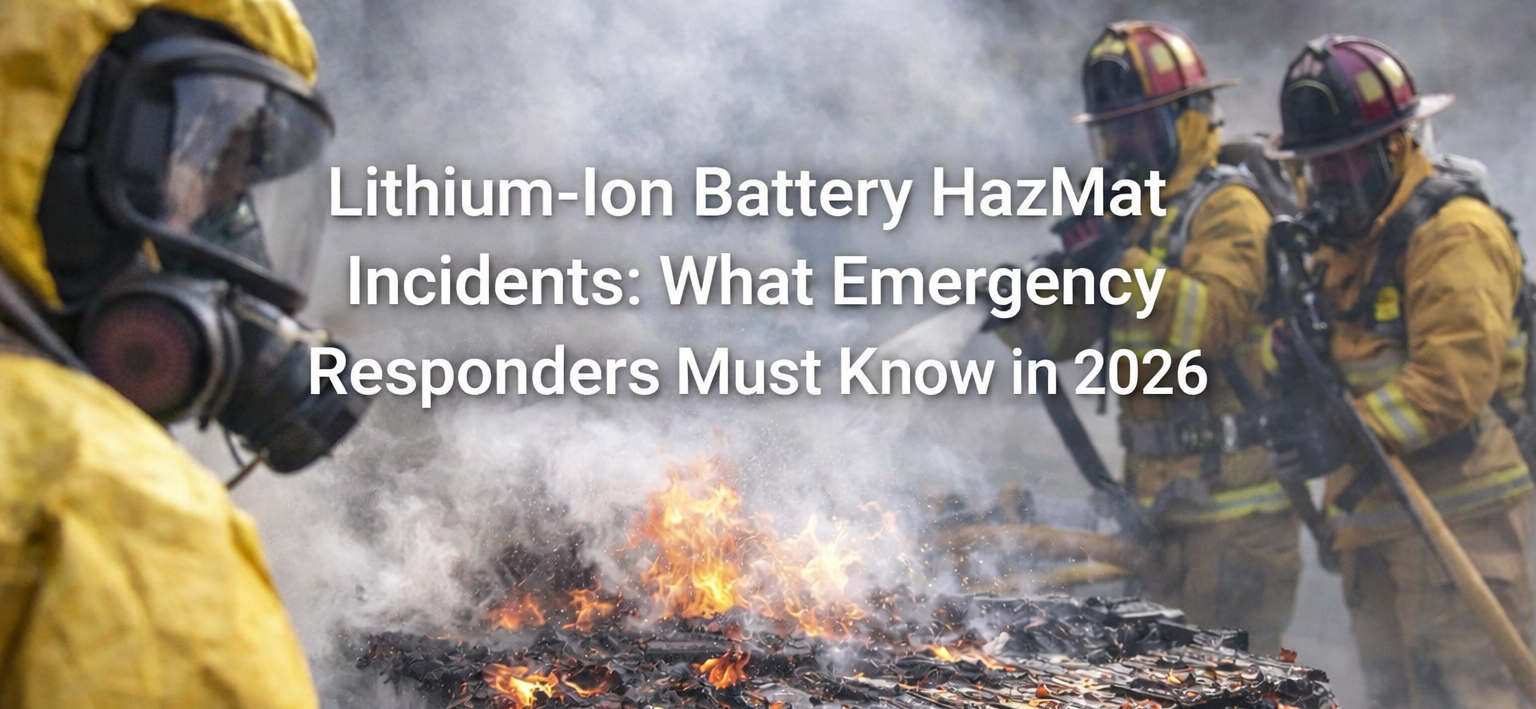
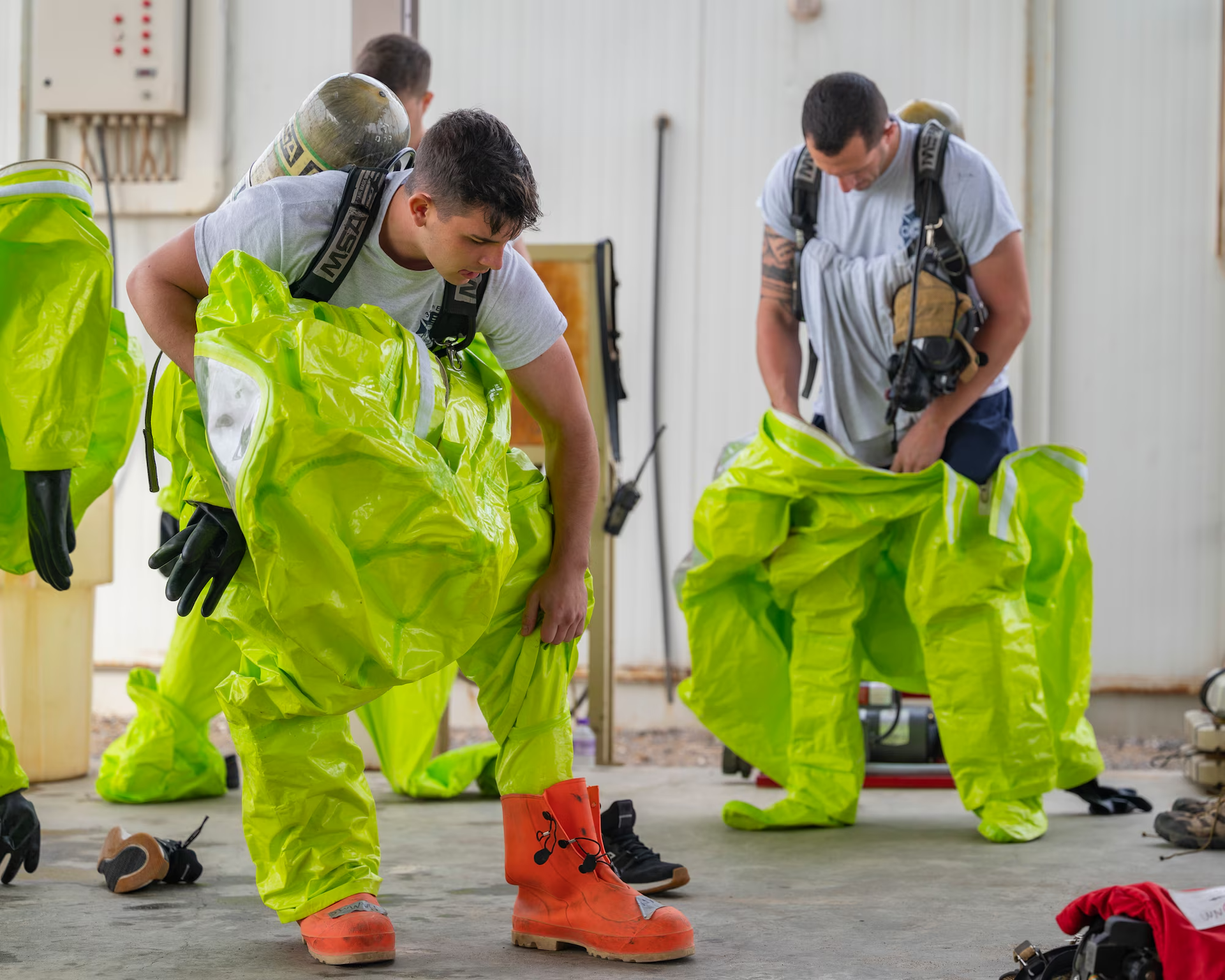
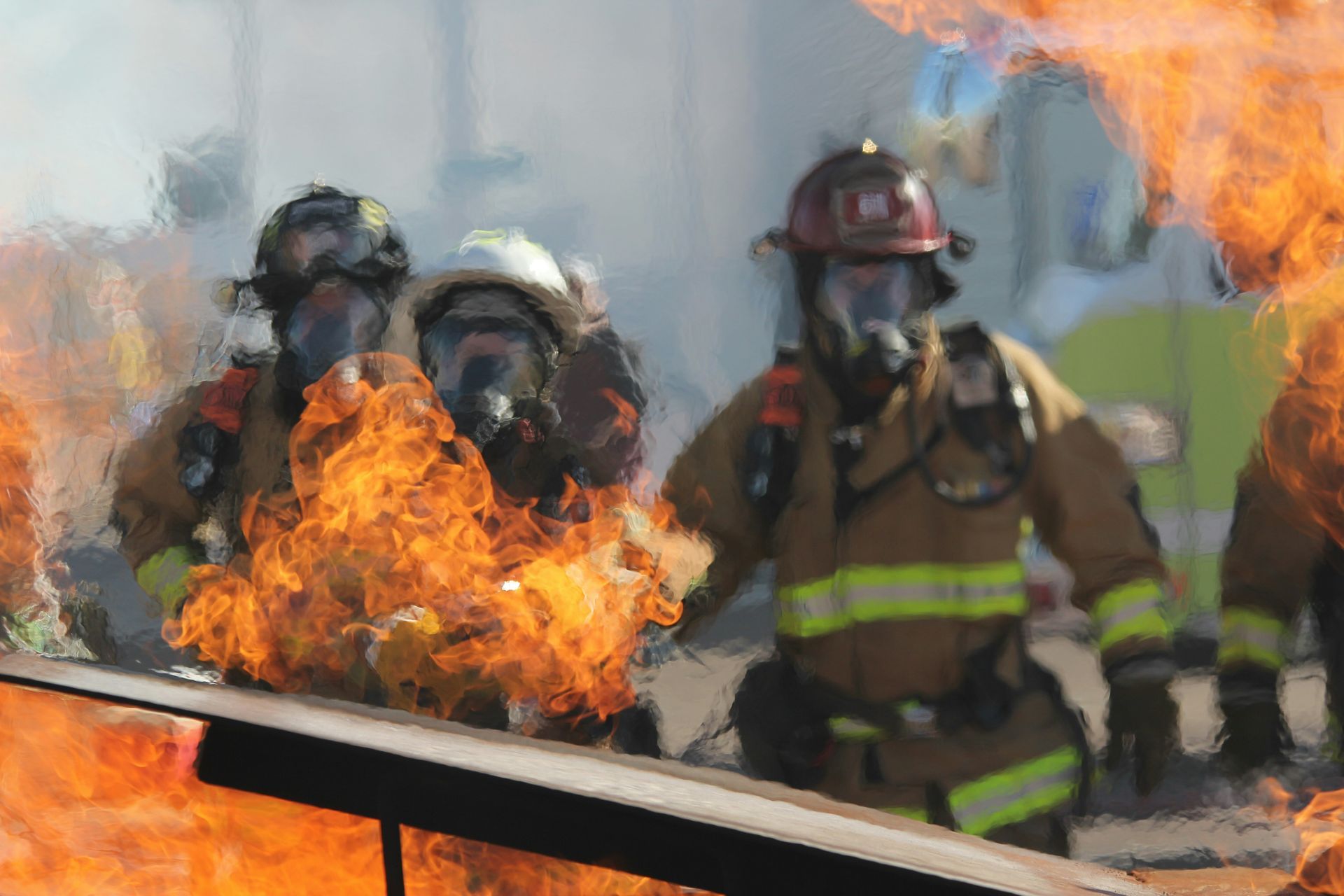
Firefighters in hazmat gear extinguish a fire, smoke billowing with text

Lithium-ion battery incidents are no longer rare events. With the rapid growth of electric vehicles, warehouse battery storage, e-bikes, and industrial equipment, responders are encountering battery-related HazMat situations more frequently — and under increasingly complex conditions.


Why Lithium-Ion Battery Fires Are Different

When a lithium-ion battery cell fails, it can trigger thermal runaway — a rapid, uncontrollable increase in temperature that spreads from cell to cell. This chain reaction produces extreme heat, flammable vapors, and toxic gases.


Unlike standard fires:

  • Suppression does not always stop internal chemical reactions
  • Batteries can re-ignite hours or even days later
  • Damaged cells may appear stable before reigniting


This makes scene monitoring just as important as initial suppression.


Toxic Gas Exposure Risks

Lithium-ion battery incidents can release hazardous gases, including:

  • Hydrogen fluoride (HF)
  • Carbon monoxide
  • Flammable vapor clouds


In enclosed spaces such as parking garages, warehouses, and transport vehicles, these gases can accumulate quickly and create life-threatening exposure risks.

Air monitoring and appropriate respiratory protection are critical components of safe response.


Water Application and Runoff Considerations

Water is often used to cool lithium-ion battery fires, but responders must consider:

  • Large water volume requirements
  • Contaminated runoff containing heavy metals and battery chemicals
  • Environmental containment needs


Coordination with environmental agencies may be necessary depending on the scale of the incident.


Re-Ignition: The Hidden Threat

One of the most dangerous aspects of lithium-ion incidents is delayed ignition.


Damaged battery packs may:

  • Continue internal reactions
  • Retain heat even after visible flames are extinguished
  • Reignite during transport or storage


Extended monitoring and proper isolation procedures are essential to prevent secondary incidents.


Training for Modern HazMat Risks

Lithium-ion battery incidents require more than general HazMat awareness. Teams must train for:

  • Thermal runaway behavior
  • Gas detection and atmospheric monitoring
  • Cross-agency coordination
  • Post-incident contamination management


Scenario-based training helps responders understand how these incidents evolve under real-world conditions — including stress, limited visibility, and multi-agency response environments.

As lithium-ion technology continues expanding across industries, preparedness must keep pace.

HazMat readiness today means preparing for battery-related incidents before they happen — not learning in real time on scene.
By Rob Conti January 27, 2026
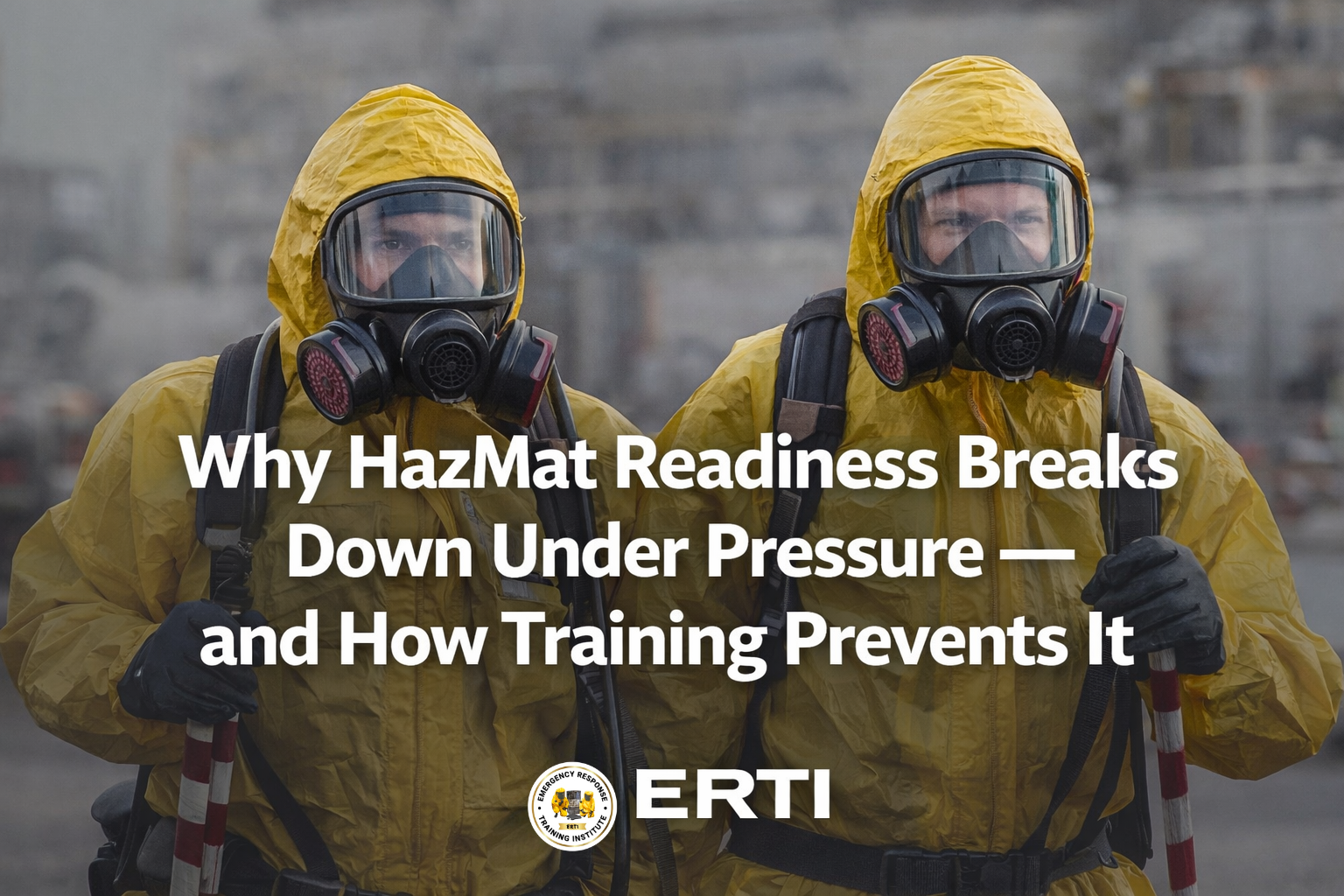
Realistic HazMat training prepares teams to respond confidently when conditions are far from ideal.
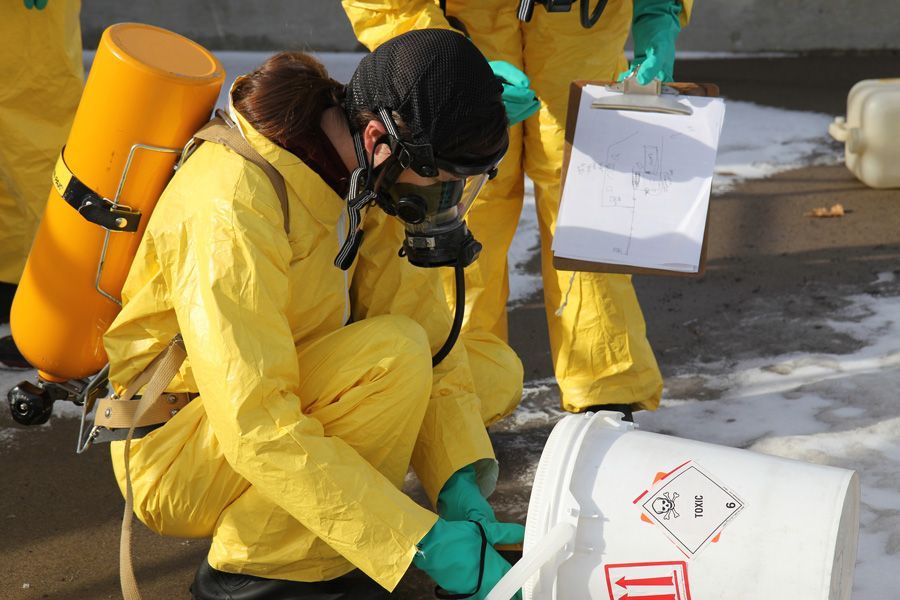
Person in yellow hazmat suit inspecting a spilled container, outdoors.
By Rob Conti December 13, 2025
Start the year prepared, confident, and ready to respond when it matters most.
By Rob Conti November 23, 2025
How reflection, readiness, and refresher training protect responders and communities year-round.
By Rob Conti October 16, 2025
The Seasons Change — But Safety Never Should
By Rob Conti October 3, 2025
Protecting Teams, Worksites, and Communities
July 31, 2025
From Compliance to Confidence: How Safety Training Builds Better Teams When it comes to workplace safety, most companies think of training as a box to check—an obligation to meet legal requirements and avoid citations. But at ERTI, we believe safety training is so much more than compliance. It's the foundation of confidence, trust, and team performance. Beyond the Bare Minimum Yes, OSHA compliance matters. But relying on the minimum standard doesn’t build a resilient team—it just keeps you legal. True leadership invests in hands-on, scenario-based training that prepares employees not just to pass an inspection, but to protect lives, make fast decisions, and look out for one another. That’s where the real transformation begins. The Shift: Compliance → Confidence We’ve seen it time and time again. A crew enters training with the mindset of “just getting it done.” But after a few hours of engaging with real-life scenarios—whether it's confined space entry, fall protection, or fire safety—they leave with something more: Confidence in their skills Respect for the risks they face A new understanding of their role in keeping everyone safe And that confidence doesn’t just stay on the jobsite—it spills into how they lead, how they support each other, and how they handle challenges. Why Confidence Matters A confident team is a proactive team. Instead of waiting for an emergency to reveal gaps in readiness, confident workers speak up, take initiative, and act quickly under pressure. They don’t just react—they respond with clarity and purpose. That saves time. That saves money. Most importantly, that saves lives. Invest in Your People, Not Just Your Policy ERTI’s mission is to help organizations go beyond checkbox training. Our instructors bring decades of field experience, teaching from real-world situations—not just manuals. Whether it’s construction, utilities, or industrial operations, we help you build teams that are ready, resilient, and proud of what they know. Ready to Shift Your Safety Culture? Start with a training that goes beyond the rulebook. Start with ERTI.
By Rob Conti June 30, 2025
Training Isn’t Just for a Certificate — It’s for the Moment You’ll Need It Most When workplace safety training is treated like a checkbox, the consequences can be deadly. 
Building a Safety-First Culture: How Training Shapes Team Behavior Before the Incident
By Rob Conti April 30, 2025
Learn how safety training shapes workplace culture, reduces risk, and builds instinctive, team-wide decision-making—before emergencies happen.
More Posts